
AFOQT · Pilot and ABM composites
Instrument Comprehension
Instrument Comprehension is the AFOQT subtest in which an artificial horizon and a compass give an airplane's attitude and heading, and you pick the matching airplane among four.
- Items
- 25
- Time
- 5 minutes
- Answer options
- 4 airplanes
- Composites
- Pilot, ABM (not CSO)
- Guessing penalty
- None
Screens of the trainer
The subtest
Measures
The subtest measures the ability to read an airplane's heading, climb or dive, and bank from its instruments.
Format
The pace is 12 seconds per item.
Form T raised the item count from 20 to 25, cut the time from 6 to 5 minutes and modernized the graphics.
Scoring
Instrument Comprehension is one of the three most speeded subtests of Form T.
Item types
Two dials, four airplanes
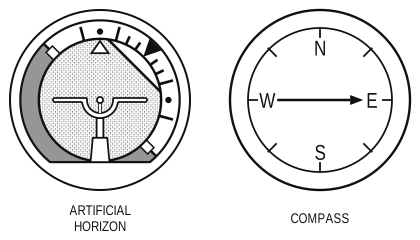
The left dial is the artificial horizon. Its center indicator is the airplane, the heavy black horizon line tilts as the airplane banks, and the shaded part is the ground.
In a climb, the airplane indicator sits between the horizon line and the black pointer. In a dive, the horizon line sits between the airplane indicator and the black pointer. In a bank to the pilot's right, the white pointer sits right of the black pointer, and left for a bank to the left.
The right dial is the compass, and its arrow shows the heading. The observer always looks north at the airplanes' altitude, with east to the right.
Example
The artificial horizon shows no bank and neither climb nor dive, and the compass heads southeast. The answer is C. A is banked to the right and D is seen from the front. B is seen from the rear and is also banked to the left.
Free practice test
Item 1 of 5
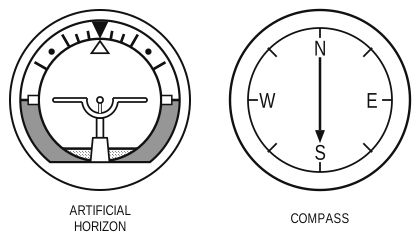
Which airplane matches the two dials?
Show the answer
Answer: Airplane 2 of 4
Horizon: wings level, steep climb.
Compass: heading south, toward the viewer.
Head-on, belly almost fully in view. Not the gentle climb.
Item 2 of 5
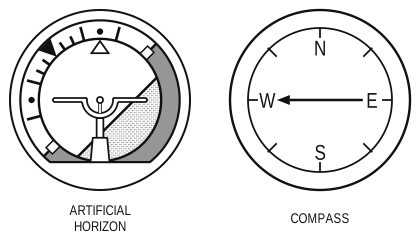
Which airplane matches the two dials?
Show the answer
Answer: Airplane 2 of 4
Horizon: climbing, banked 45° to the right.
Compass: heading west, nose to the left.
Belly visible, nose raised. Not the one showing its canopy.
Item 3 of 5
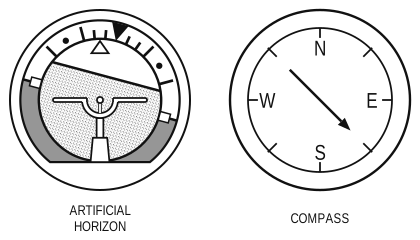
Which airplane matches the two dials?
Show the answer
Answer: Airplane 3 of 4
Horizon: diving, banked 15° to the left.
Compass: heading southeast, toward the viewer and to the right.
Wings nearly edge-on, nose slightly down. Not the one showing wing tops.
Item 4 of 5
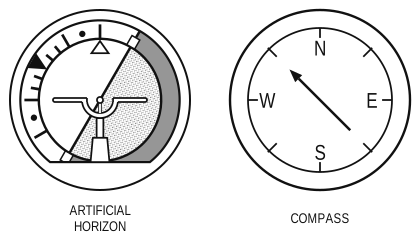
Which airplane matches the two dials?
Show the answer
Answer: Airplane 3 of 4
Horizon: level flight, banked 60° to the right.
Compass: heading northwest, away from the viewer, to the left.
Flying away left, belly showing. Not the one showing its top.
Item 5 of 5
Which airplane matches the two dials?
Show the answer
Answer: Airplane 3 of 4
Horizon: steep dive, banked 45° to the left.
Compass: heading east, nose to the right.
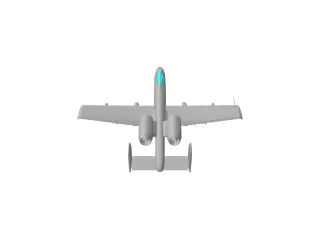
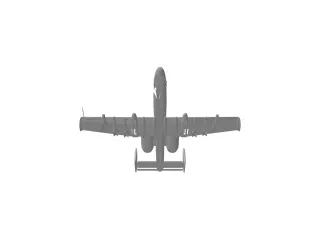
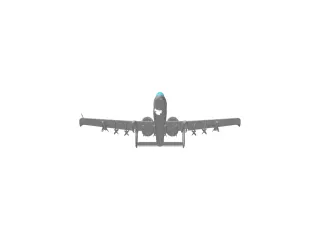
Belly angled, canopy partly visible. Not the one hiding its canopy.
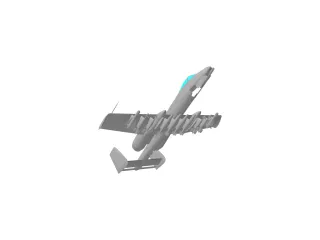
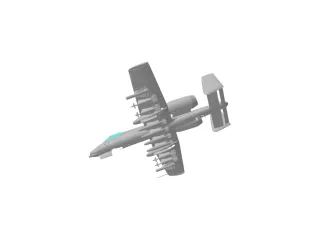
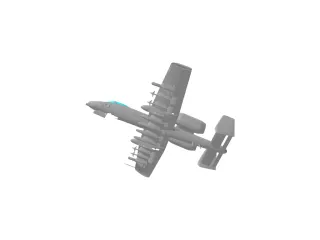
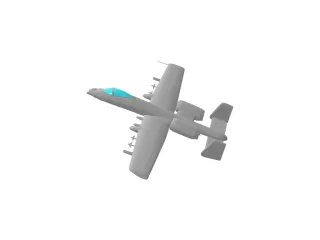
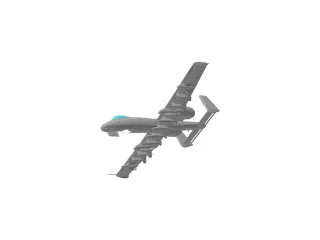
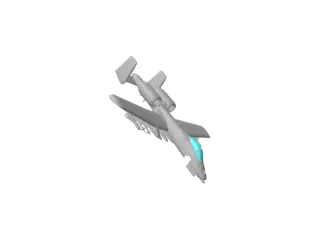
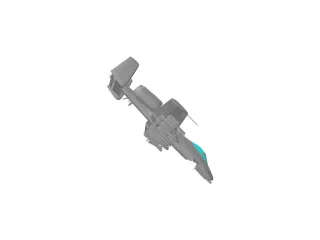
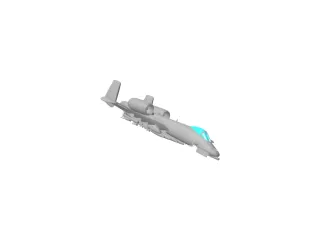
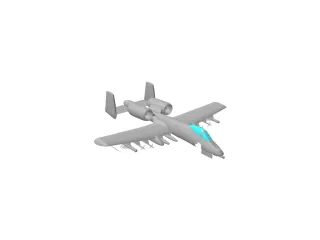
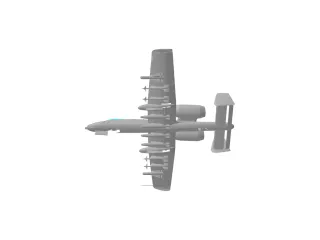
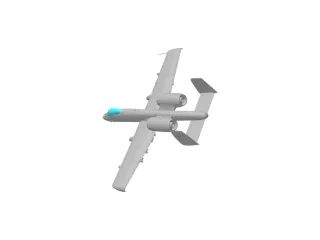
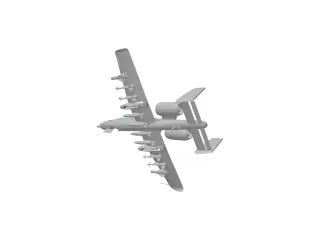
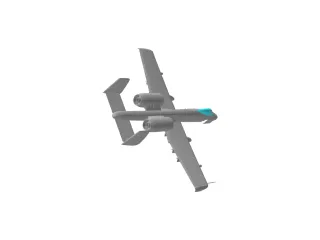
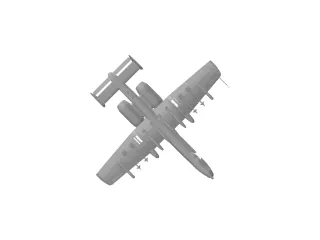
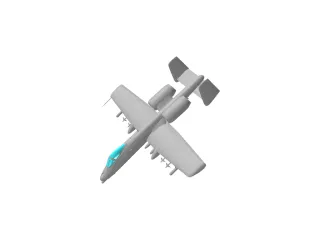
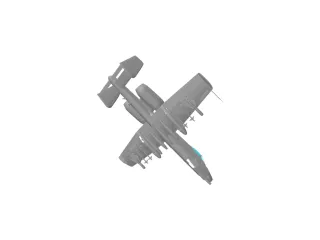
The Frontline Forge trainer
-
Instant feedback
Training mode highlights the correct airplane after each answer and explains how to read each dial. The clock stops until you press Next.
-
The real format
Test mode runs 25 items in 5 minutes, the count and time of the real subtest, then reviews every item. The five items above come from the trainer, and every session brings 25 new ones built from 440 dial readings.
-
Ranked against other test-takers
Each score is ranked against the scores of other test-takers. The Statistics page plots the ranking of every attempt, so you see whether you are beating more test-takers than before.