
SIFT · Spatial Apperception component
Spatial Apperception
Spatial Apperception is the SIFT subtest in which the view ahead from an airplane shows the horizon and a coastline, and you pick, among five pictures of the airplane seen from outside, the one flying that way.
- Items
- 25
- Time
- 10 minutes
- Answer options
- 5
- Format
- Fixed
- Unanswered items
- Scored wrong
- Counts toward
- SIFT score
Screens of the trainer
The subtest
Measures
The subtest measures spatial orientation from a view: you read how an airplane is flying from the view ahead of it, then recognize that flight seen from outside.
It counts toward the single SIFT score of applicants to Army aviation.
Format
The subtest has 25 items in 10 minutes, with five answer options per item.
The subtest is not adaptive.
Scoring
The SIFT reports one score, from 20 to 80. No separate score is reported for the subtest.
An unanswered item is scored wrong.
Item types
One view, five airplanes
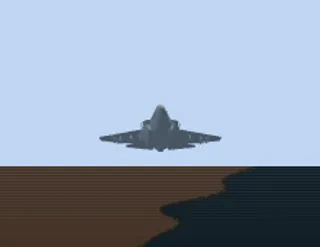
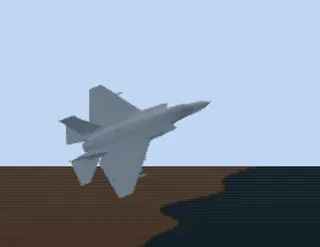
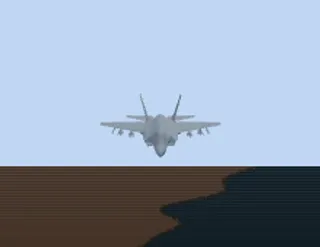
The view ahead from the airplane sits at the top, with sky above the horizon and, below it, sea and land meeting along a coastline. Below it, five pictures show the airplane from outside, each in the sky above a strip of sea and land, each flying differently: banked, nose up or down, or headed another way.
You pick the picture that matches the view.
Free practice test
Item 1 of 5
Which picture matches the cockpit view?
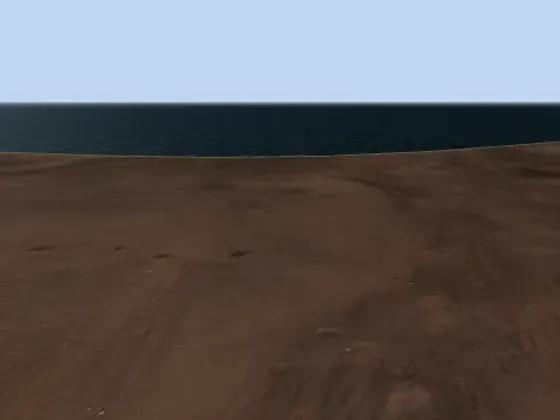
Show the answer
Answer: Picture 5 of 5: the aircraft over the coastline
Horizon level, above center: wings level, nose down.
Land below, sea ahead: flying straight out to sea.
Flying away, nose down. Not the nose-up or head-on ones.
Item 2 of 5
Which picture matches the cockpit view?
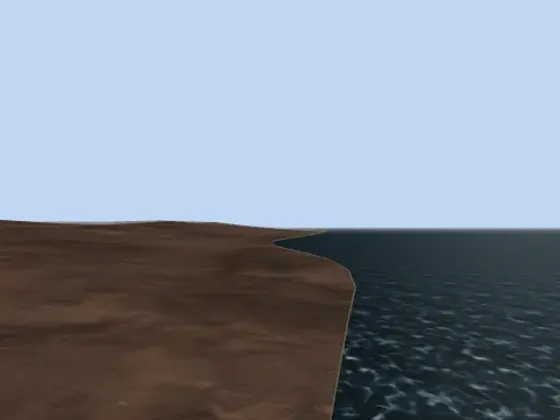
Show the answer
Answer: Picture 1 of 5: the aircraft over the coastline
Horizon level, below center: wings level, slight climb.
Land left, sea right: flying along the coast.
Head-on, nose slightly up. Not the nose-down or banked ones.
Item 3 of 5
Which picture matches the cockpit view?
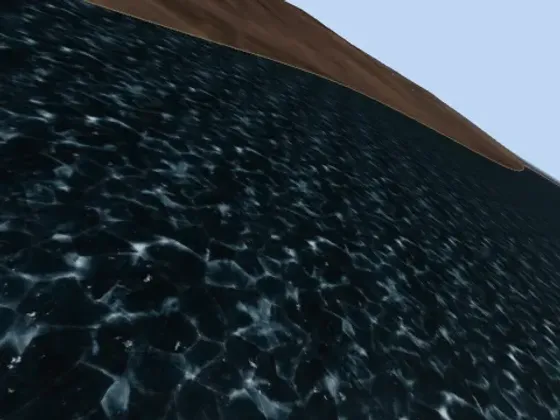
Show the answer
Answer: Picture 1 of 5: the aircraft over the coastline
Horizon higher on the left, near the top: left bank, dive.
Sea below, land ahead to the right: heading inland, angling right.
Banked left, nose down. Not the nose-up or right-banked ones.
Item 4 of 5
Which picture matches the cockpit view?
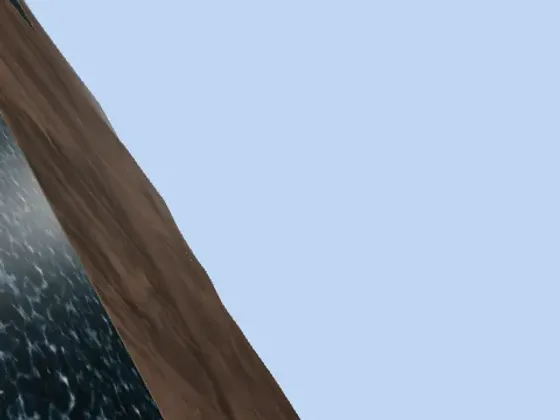
Show the answer
Answer: Picture 2 of 5: the aircraft over the coastline
Horizon steep, higher on the left: steep left bank, climb.
Sea below, land ahead: heading inland, angling left.
Banked steeply left, nose up. Not the one with the same bank but level.
Item 5 of 5
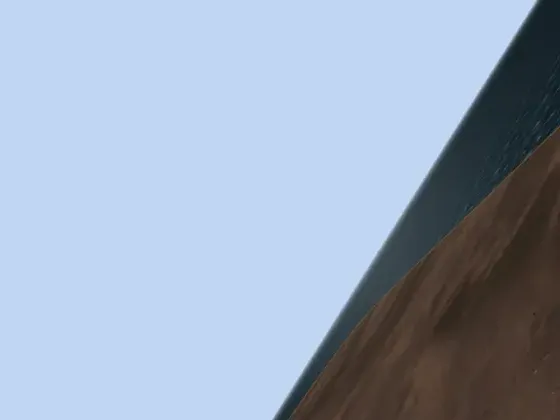
Which picture matches the cockpit view?
Show the answer
Answer: Picture 1 of 5: the aircraft over the coastline
Horizon steep, higher on the right: steep right bank, climb.
Land below, sea ahead: heading out to sea, angling right.
Banked right, nose up, flying away. Not the nose-down one.
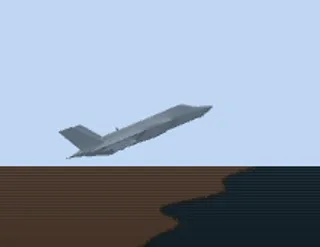
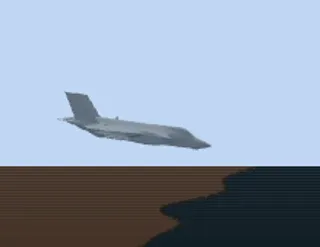
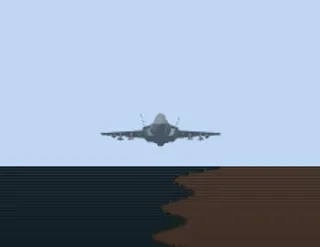
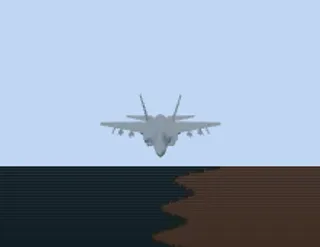
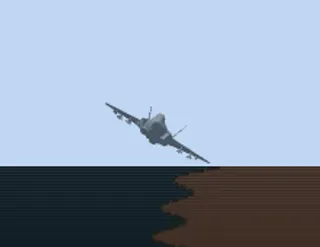
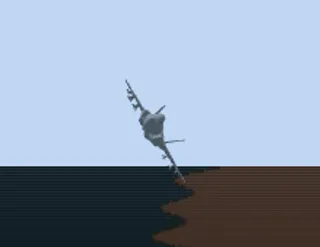
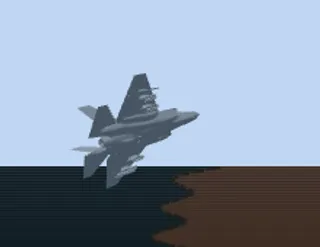
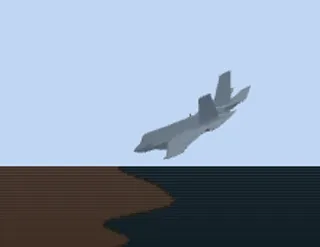
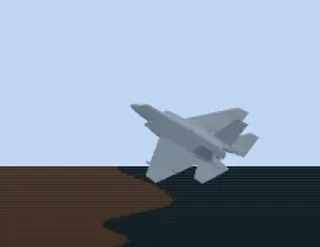
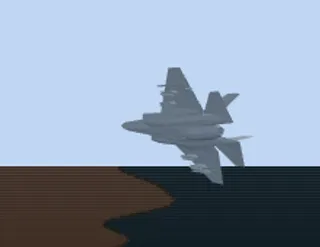
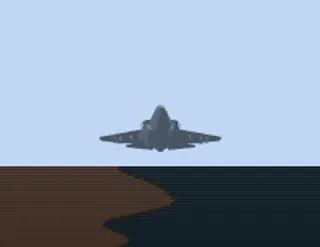
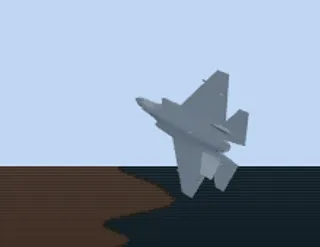
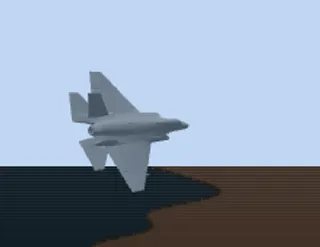
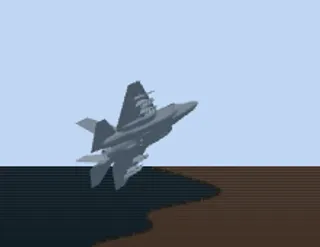
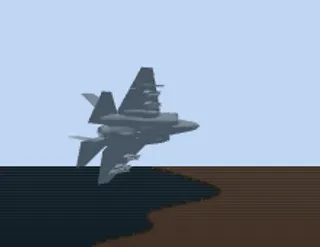
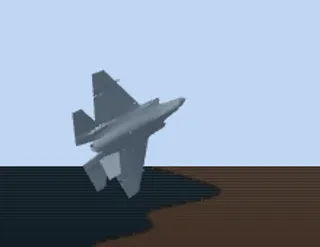
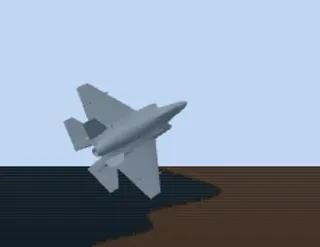
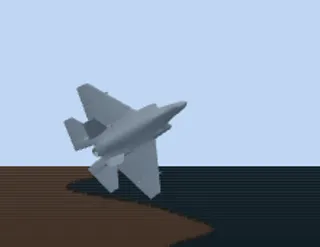
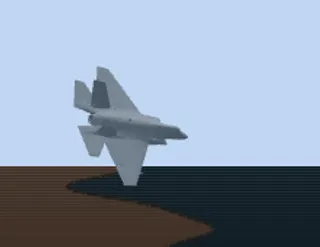
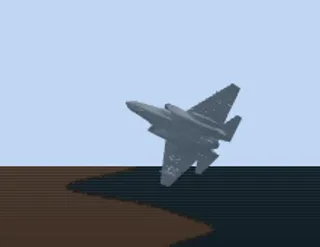
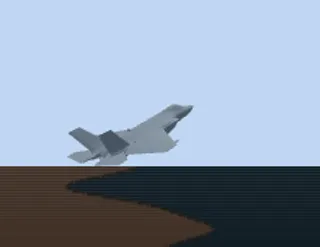
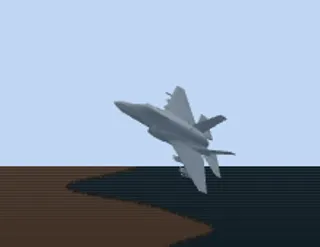
The Frontline Forge trainer
-
Instant feedback
Training mode highlights the correct picture after each pick and pauses the clock while you compare it with the view. Previous and Next move between the 25 items.
-
The real format, ranked
Test mode runs 25 items in 10 minutes, the count and time of the real subtest: a click locks the answer and the next item follows at once. Each score is ranked against the scores of other test-takers, and the Statistics page plots the ranking of every attempt.
-
A new draw every attempt
Every attempt draws 25 new items from 280 attitudes, seven bank angles, five pitch angles and eight headings, over 12 coastlines. The five items above are the trainer's own, and the results screen reviews every item with its view and its five pictures.